Skip to content
The Green ValleySolar EPC · Auckland Get in touch
Solutions

Sized to the load,
not to the roof.

Every sector below has a different load shape, a different structure to mount on and a different reason to go solar. What they share is demand during daylight — the single factor that decides whether an array pays for itself in seven years or seventeen.
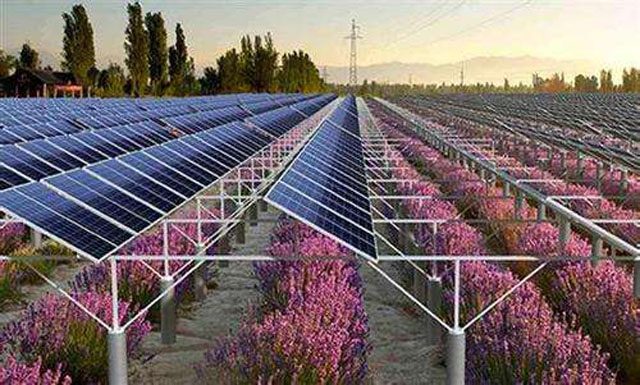
Solar modules mounted in rows above a working crop block
Rural

Dairy, livestock and irrigation

Farm load is dominated by things that must run: vat refrigeration and milk cooling, effluent and water pumps, irrigation, and shed lighting. Shed roofs, implement barns and unproductive ground all give you somewhere to mount without touching grazing area.
  • Sheds and implement barns — large simple roof planes, usually well oriented and rarely shaded.
  • Ground-mounted arrays on sidling, gully margins or unproductive corners, on driven pile or ground screw.
  • Irrigation pumping matched to the array so pivots run on generation rather than peak-rate grid power.
  • Bifacial gain on light ground cover — pasture and gravel reflect usefully onto the module’s rear face.
  • Resilience options where an outage means lost milk or a stalled irrigation cycle.
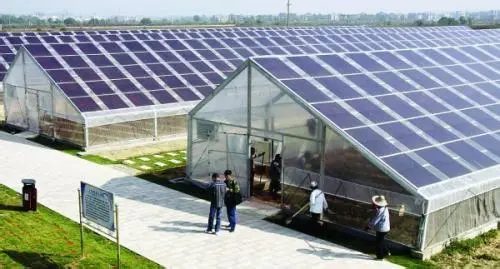
Solar modules integrated into a glasshouse growing structure
Growing

Horticulture, greenhouses and packhouses

Growers carry two of the best solar load profiles in the country: climate control that tracks the sun almost exactly, and post-harvest cooling that runs hardest through summer. Packhouse and coolstore roofs are typically enormous, flat or low-pitch, and structurally straightforward.
  • Packhouse and coolstore roofs — consistently the strongest commercial returns we model.
  • Greenhouse and structure-mounted arrays, including partial-shade layouts where light transmission matters.
  • Seasonal peak matching so the array covers the hardest months of grading, packing and cooling.
  • Coolstore refrigeration, where compressor duty and irradiance rise and fall together.
  • Staged builds that expand with the block rather than committing all the capital in one season.
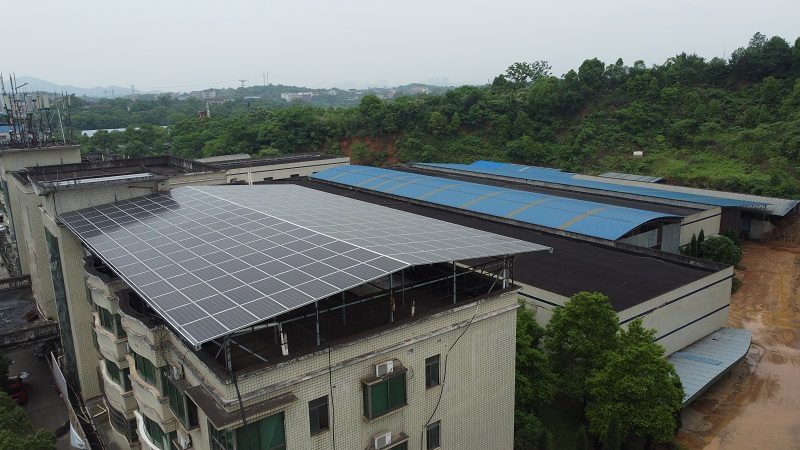
A large industrial warehouse roof covered in solar modules
Commercial & industrial

Warehouses, workshops and light industrial

A big unshaded roof over a weekday operation is the simplest solar business case there is. Compressed air, refrigeration, extraction, process heat, machinery and HVAC all draw hardest between nine and five, which is exactly when the array produces.
  • Long-run and trapezoidal steel roofs with non-penetrating or engineered fixing systems.
  • Membrane and low-pitch roofs using ballasted or mechanically fixed tilt frames.
  • Three-phase supplies with export limiting where the network caps injection.
  • Landlord and tenant structures, including on-site power purchase arrangements where the occupier, not the owner, holds the load.
  • Roof-age assessment before you fix a 30-year asset to a roof with 8 years left in it.
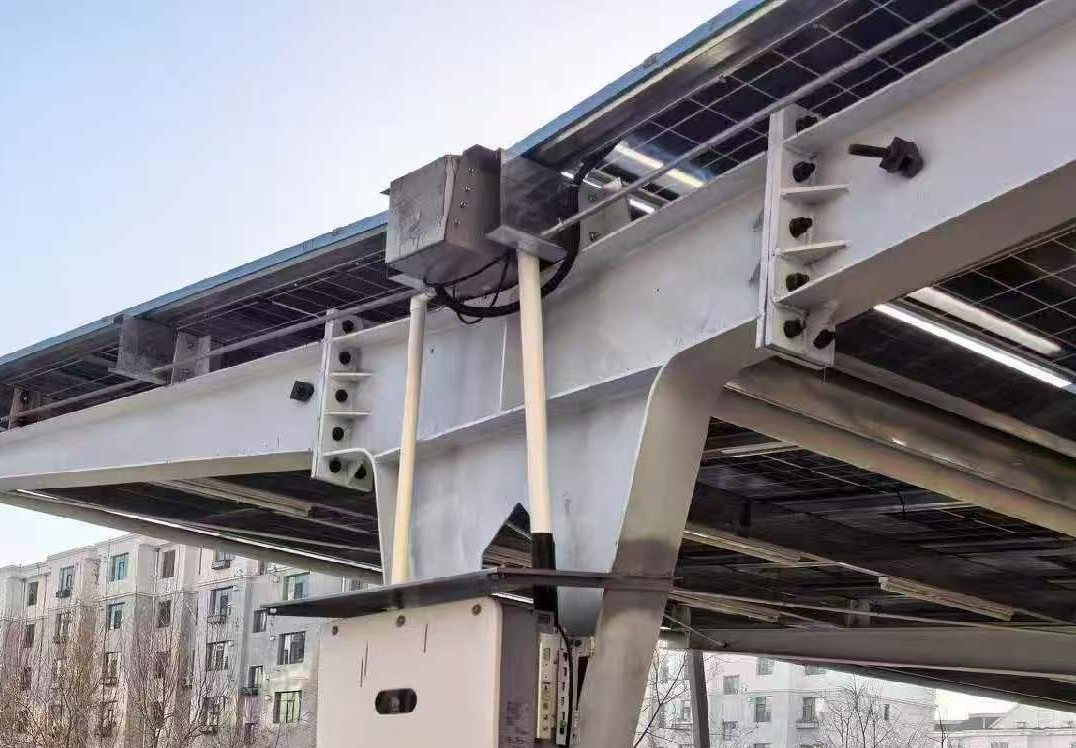
Steel canopy structure carrying solar modules over a sealed yard
Structures

Carparks, canopies and shade structures

When the roof is full, leased, north-facing the wrong way or simply not strong enough, the yard is the next asset. A canopy generates power, shelters vehicles, stock or staff, and gives you a structure to hang EV charging off later.
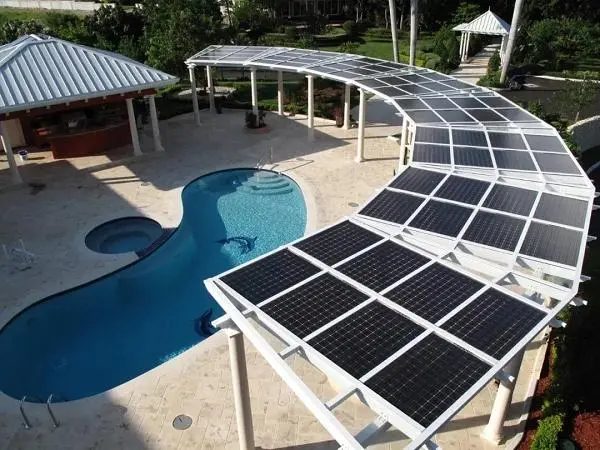
  • Carpark canopies in single, double and cantilever configurations with integrated drainage.
  • Yard, loading and stock shelters that earn their capital cost twice over.
  • EV charging provision designed in from the start rather than retrofitted through a full switchboard.
  • Bifacial modules to pick up reflection off light-coloured sealed surfaces below.
  • Consent management — canopies are structures, so they carry a building consent path we handle for you.
A covered public shelter structure fitted with solar modules
Public & community

Schools, marae, clubs and public facilities

Community buildings run on daytime load and long ownership horizons, which is a good combination for solar. They also make the system visible — a monitoring display in a foyer does more for an energy conversation than any report.

  • Hall, gym and classroom roofs, sized around term-time load rather than annual totals.
  • Shade and shelter structures that serve a purpose whether or not the sun is out.
  • Public monitoring displays showing live generation and cumulative output.
  • Funding support — documentation prepared to suit community renewable energy funding applications.
  • Staged installations that fit inside a school holiday programme.
Not sure yet

Three questions that decide most of it.

Q1

When do you use power?

If most of your consumption lands between 8am and 5pm on weekdays, solar works. If you are a night-shift operation, the conversation moves to load shifting or storage before it moves to panels.

Q2

What is the roof like?

Orientation, pitch, shading, cladding type and remaining life. A roof with under ten years left should be replaced first — removing and reinstating an array is an expensive way to learn that.

Q3

What will the network allow?

Your lines company sets the export limit for the connection. On a constrained feeder that can cap the sensible array size well below what the roof would hold.

Next step

Find out what your roof is worth.

Send us twelve months of power bills and a roof plan. We come back with a yield model, a layout, an indicative price and an honest view on whether the numbers work.