Skip to content
The Green ValleySolar EPC · Auckland Get in touch
Services

Study. Design. Supply. Build.

Four things, done in order, by one accountable team. You can engage us for the whole chain or stop after the study if the numbers don’t work — we would rather tell you that early than sell you an array that never pays back.
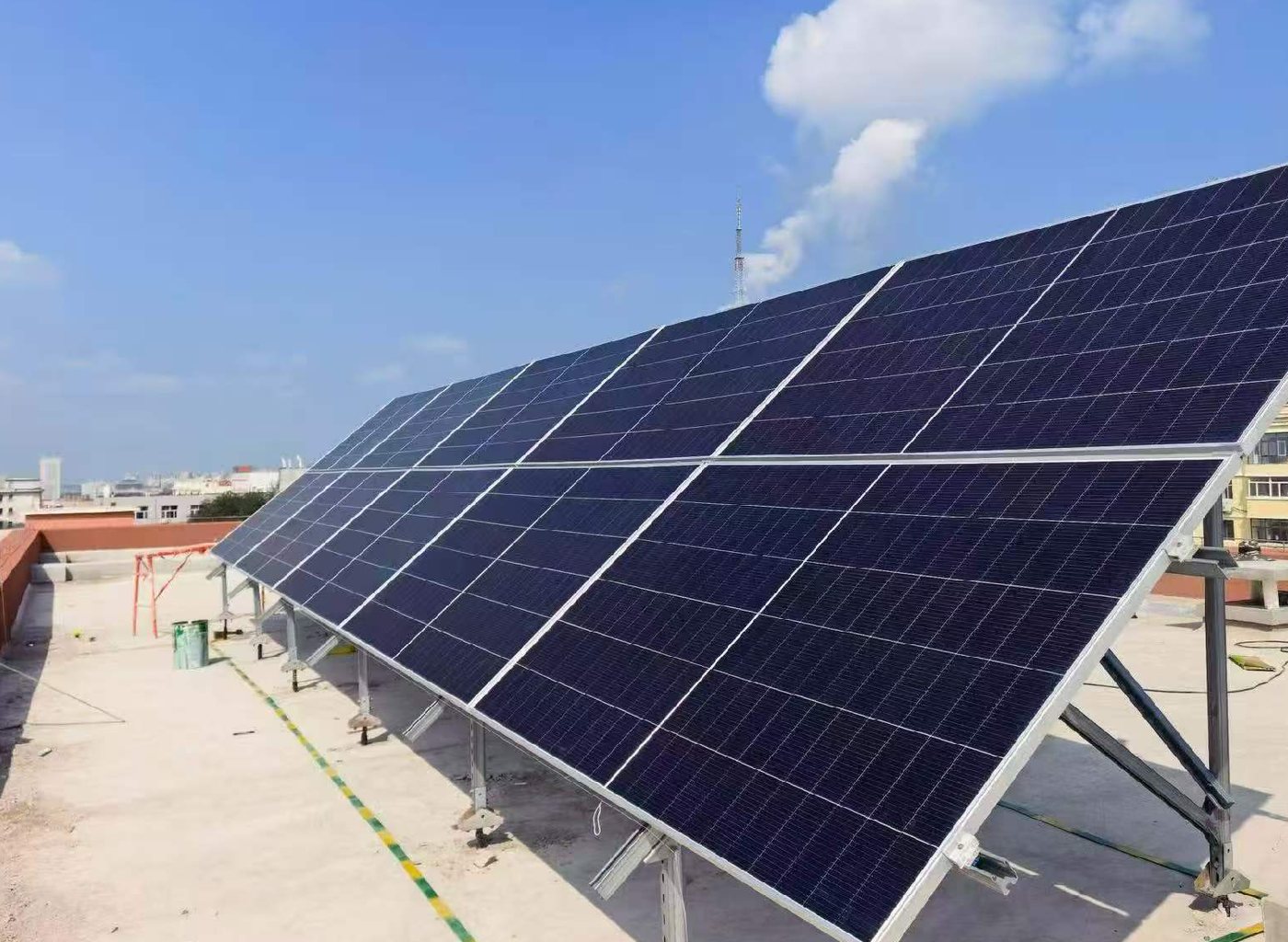
A tilt-frame solar array across a flat commercial roof
01 · Research

Feasibility and energy study

Before anything is drawn, we work out whether solar is the right spend for your site at all. That means reading your actual consumption rather than a headline annual figure, because the shape of your load decides the return.

  • Load analysis. Twelve months of invoices plus half-hourly interval data where available, broken down into daytime, night and weekend use.
  • Yield modelling. Site-specific irradiance, roof pitch and orientation, shading from trees, plant and neighbouring buildings, and expected soiling.
  • Self-consumption forecast. How much generation you actually absorb versus export, at several array sizes.
  • Financial model. Capital cost, annual saving, simple payback, and internal rate of return over 25 years against a range of electricity price paths.
  • Constraints register. Roof age and condition, structural headroom, switchboard capacity, network export limits and consent triggers.

Deliverable: a written feasibility report you can take to your board, your bank or your accountant.
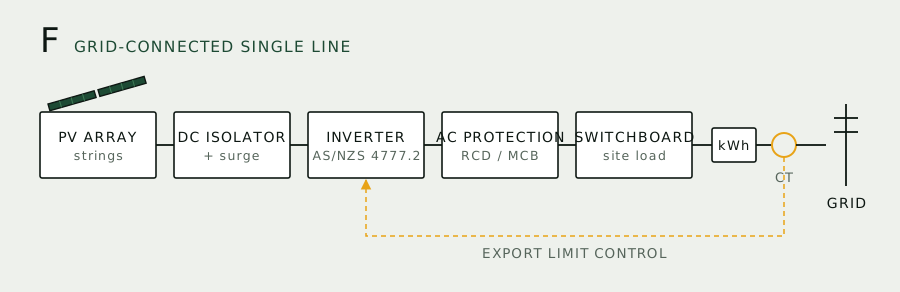
Single line diagram from array through inverter and switchboard to the grid
02 · Design

System design and engineering

The design stage turns an approved concept into something a crew can build and an inspector can sign off. Nothing about it is generic — the same roof area on two different sites produces two different systems once load, structure and network limits are in.
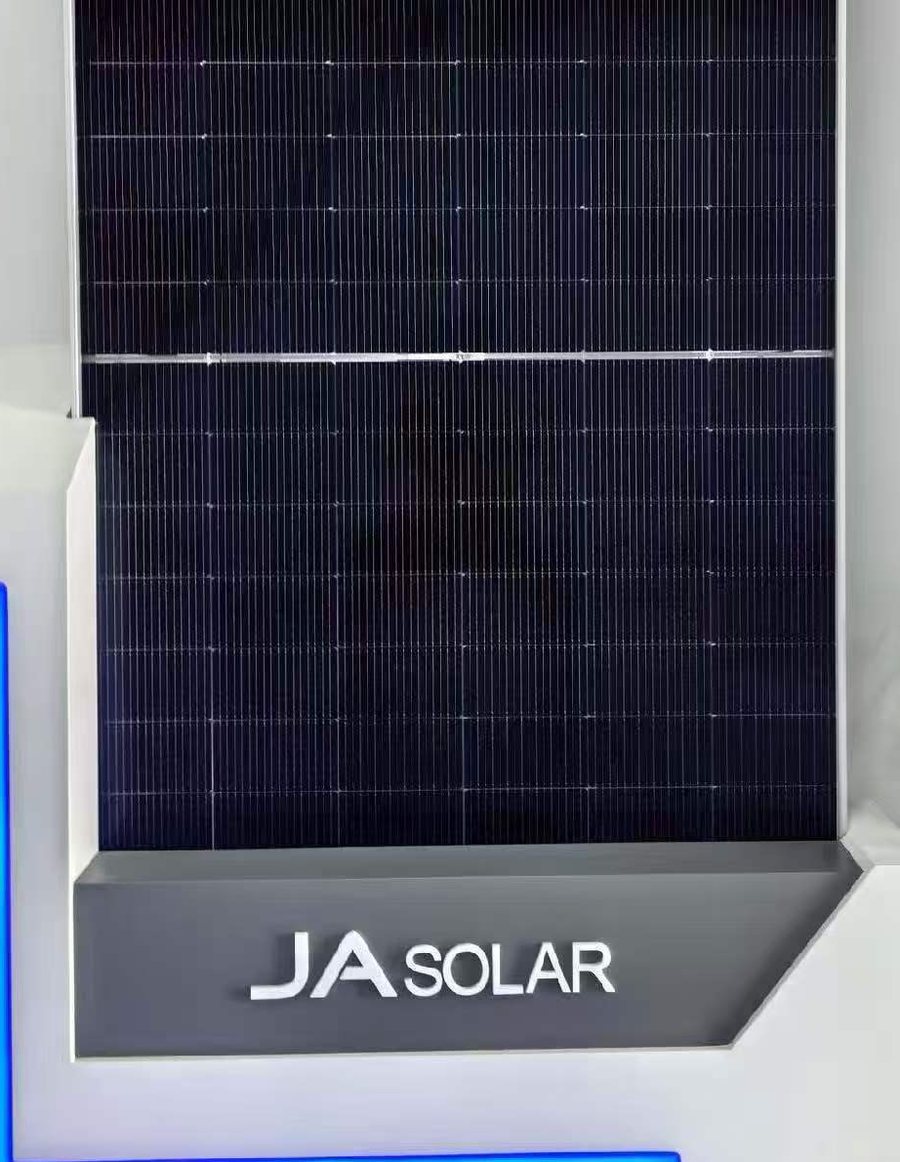
  • Array layout. Module placement, row spacing, tilt, walkways, edge setbacks and maintenance access.
  • Structural verification. Purlin spacing and capacity, fixing type, wind and snow loading to AS/NZS 1170, with engineer sign-off where the roof needs it.
  • Electrical design. String sizing, inverter selection and placement, DC and AC cable routing and sizing, isolation, surge and earthing.
  • Single-line diagram and switchboard schedule for your records, your electrician and your lines company.
  • Export strategy. Export limiting or zero-export control where the network caps injection.
  • Future-proofing. Provision for batteries, EV charging or a second stage if you’re likely to want them.
A JA Solar n-type bifacial double-glass module
03 · Supply

Equipment supply

We supply the whole system as one package, so there is a single warranty conversation if anything goes wrong. Specifications are matched to the site rather than to whatever is cheapest in the container that month.
  • Modules. n-type bifacial double-glass, 615–640 W, IEC 61215 and IEC 61730 certified, 12-year product and 30-year linear output warranties.
  • Inverters. String or central, AS/NZS 4777.2 compliant and on the Electricity Authority’s accepted list, with local service support.
  • Mounting. Engineered rail and clamp systems for trapezoidal steel, standing seam, tile, membrane, ground screw and canopy structures.
  • Balance of system. DC isolation, surge protection, AC protection, metering, cabling, cable management and labelling.
  • Monitoring. Per-string or per-optimiser monitoring with alerting, registered in your name and not ours.
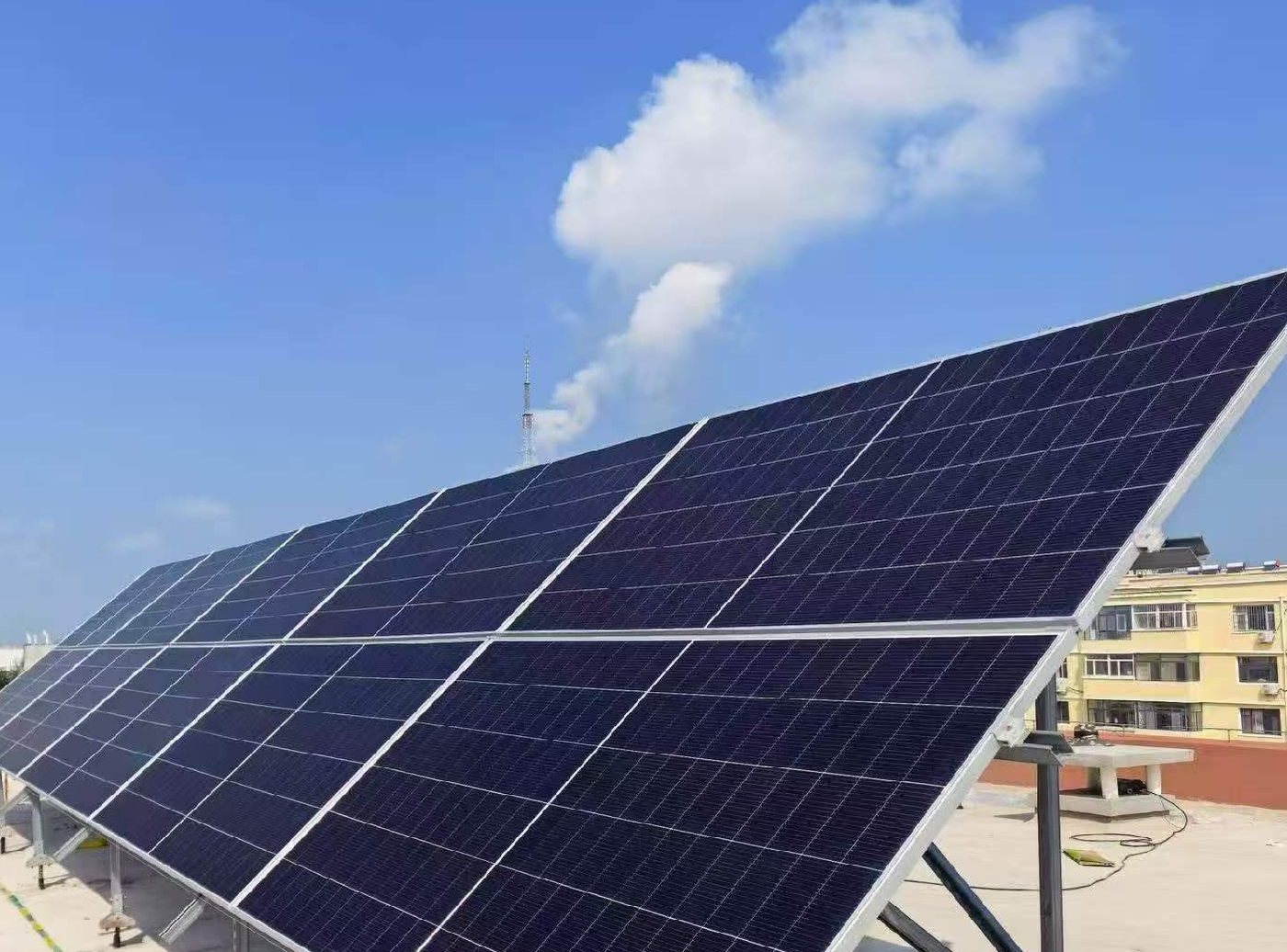
Mounting rails and support legs beneath an installed tilt-frame solar array
04 · Build

Installation and commissioning

Installation on a working site is mostly a logistics problem. Packing lines, milkings and trading hours don’t stop because there are people on the roof, so the programme is written around your operation.

  • Site-specific safety plan. Edge protection, anchor points, exclusion zones and a documented method statement before anyone goes up.
  • Roof and structural works using fixings appropriate to the cladding, sealed and flashed so the roof warranty stays intact.
  • Electrical installation — DC, AC, switchboard modifications and metering — carried out by EWRB-registered electricians.
  • Grid connection. We lodge and manage the distributed generation application with your lines company and handle the export agreement.
  • Testing and certification. Insulation resistance, polarity, earth continuity, inverter settings, anti-islanding, plus a Certificate of Compliance and Electrical Safety Certificate.
  • Handover pack. As-built drawings, test results, warranty documents, monitoring logins and an operating guide.
Afterwards

The part most installers walk away from.

An array is a twenty-five-year asset with no moving parts and one very common failure mode: nobody notices when a string drops offline. Monitoring plus a routine inspection is what protects the business case you bought.

Performance monitoring

Alerting on string-level underperformance, inverter faults and communication dropouts, checked against the modelled yield rather than against last week.

Scheduled maintenance

Annual electrical inspection, torque checks on fixings and clamps, thermal imaging of connections and combiners, and cleaning where soiling justifies it.

Warranty administration

If a module or inverter fails inside warranty, we handle the claim, the replacement and the reinstatement. You deal with us, not with an overseas factory.

Next step

Find out what your roof is worth.

Send us twelve months of power bills and a roof plan. We come back with a yield model, a layout, an indicative price and an honest view on whether the numbers work.