Research & feasibility
We read your interval data, model the array against your real load profile, and tell you the payback before you spend anything.
Feasibility →
The Green Valley studies, designs, supplies and builds solar systems for New Zealand businesses, farms and growers — from the first look at your power bills through to grid connection sign-off.
Most solar disappointment traces back to a system sized by roof area instead of load, or a handover with no one accountable afterwards. We keep the study, the design, the supply and the build under one roof so nobody can point at anyone else.
We read your interval data, model the array against your real load profile, and tell you the payback before you spend anything.
Feasibility →String layout, structural check, inverter selection, cable routes, protection and export limits — drawn and documented.
Design →Tier-one modules, AS/NZS 4777.2 inverters and engineered mounting, landed and warranted in New Zealand.
Equipment →Roof works, structural mounting, DC and AC, grid application, commissioning, and a monitoring platform you actually get logins to.
Installation →On a working site the array and the load run on the same clock. Refrigeration, compressors, irrigation, packing lines and HVAC all draw hardest through the middle of the day — which is exactly when the modules produce.
Everything in the shaded zone is electricity you consume as it is generated. It replaces power you would otherwise have bought at your full retail rate, lines charges and GST included. Everything above the load line is exported, at a buy-back rate your retailer sets and which is usually a fraction of what you pay to import.
That gap is the whole business case, and it is why we size an array to your load rather than to your roof area. Past a certain point, extra capacity just sells cheap power back to the grid.
Clear-day output vs. a typical weekday load · Auckland
Every kilowatt-hour in the shaded zone replaces one you would have bought at your full retail rate — lines charges, levies and GST included. Anything above the load line is exported at a much lower buy-back rate. Sizing the array to the load, not to the roof, is where the return comes from. Illustrative profiles.
Solar rewards daytime load. Irrigation, refrigeration, milk cooling, packing lines, compressors, chillers and office HVAC all run on the same clock as the array — which is exactly the type of site we work on.
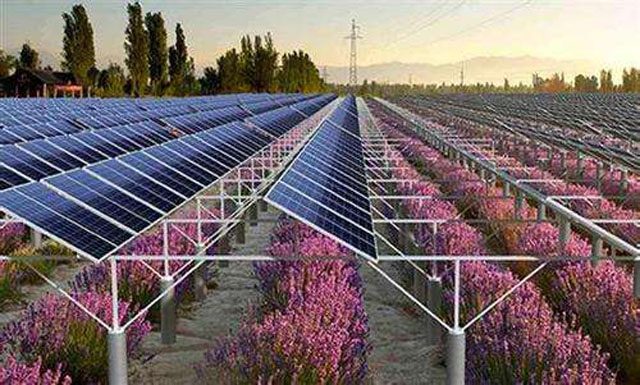
Milk cooling and vat refrigeration, effluent pumps, irrigation and shed load — the heaviest draws land squarely in the middle of the generation curve.
Rural solar →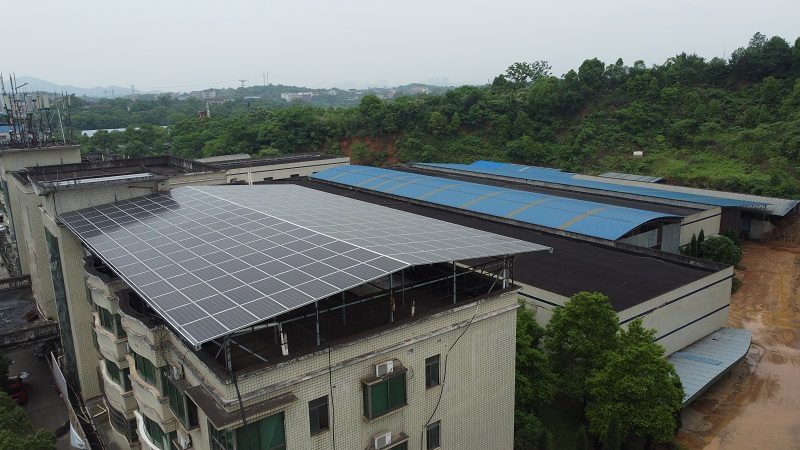
Big, simple, unshaded roofs above a steady weekday load. Usually the best return per dollar of any site type in the country.
Commercial solar →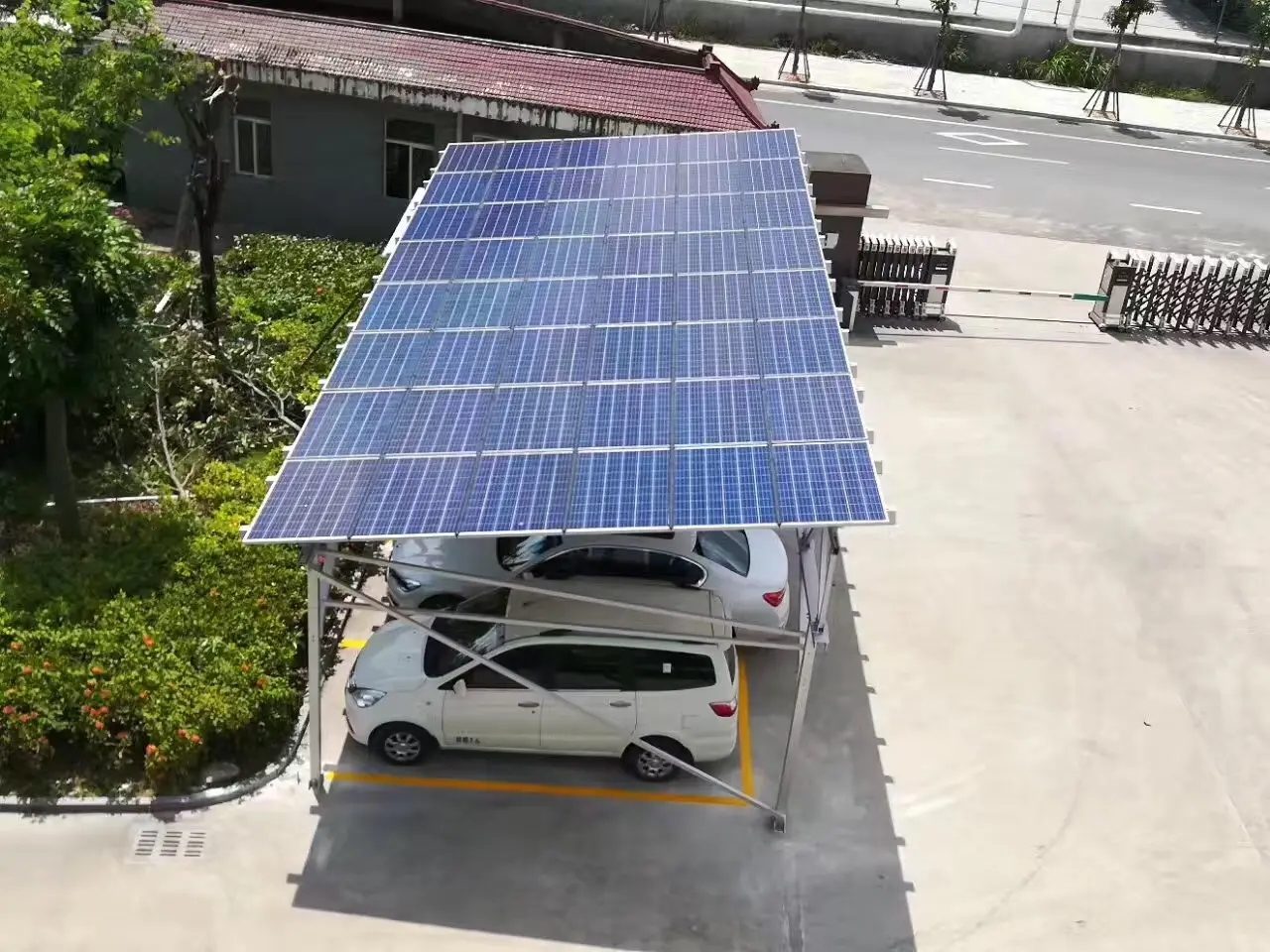
When the roof is full, taken or unsuitable, the yard is next. Canopies generate, shelter stock or staff, and carry EV charging.
Canopy systems →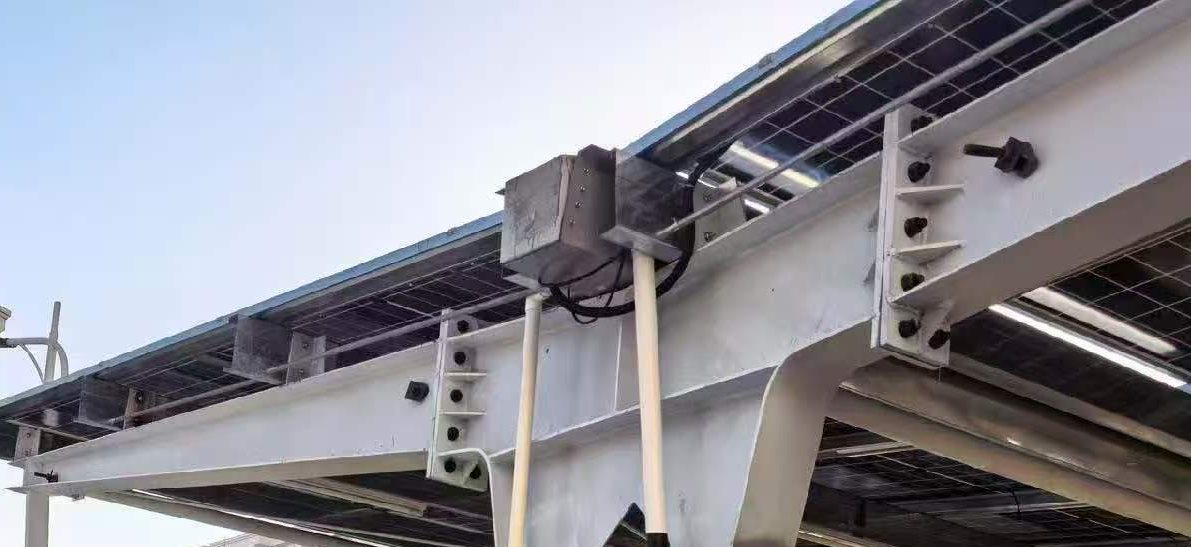
Move the sliders to see roughly what a system for your site would look like. This is a back-of-the-envelope model, not a quote — but it is the same arithmetic we start a real study with.
Not sure of your daytime share? Most packhouses, coolstores and workshops sit between 60% and 80%. Offices and retail are usually 50–70%. Dairy sheds with two milkings are lower, around 40–55%.
Modelled at 1,250 kWh per kWp per year for a well-oriented, unshaded Auckland array, an installed cost of $1.40–$1.90 per watt and a 12 c/kWh export rate. Indicative only — it ignores your tariff structure, shading, roof condition, network export limits and tax treatment, all of which we model properly in a feasibility study.

Our reference module is the JA Solar DeepBlue 4.0 Pro JAM66D45 LB — 615 to 640 W, 132 half-cells, double glass, up to 23.7% module efficiency.
Solar projects go wrong in predictable places: an undersized study, a roof that won’t take the load, and a grid application started too late. Our sequence is built around those three.
Twelve months of invoices and, where the meter supports it, half-hourly interval data. This sets the load profile everything else is sized against.
Yield model, self-consumption estimate, indicative capital cost and payback. Delivered as a written study, not a sales sheet.
Roof structure and cladding, purlin spacing, switchboard capacity, cable routes, shading, safe access and anchor points.
Layout, single-line diagram, structural verification, inverter and protection selection, fixed price and programme.
Distributed generation application to your lines company, building consent where required, and export limit agreement.
Modules, inverters, mounting and balance of system landed, checked and staged to the programme.
Mounting, DC, AC, switchboard works and metering. Grid-tied electrical work by EWRB-registered electricians.
Testing, certification, monitoring set up in your name, an as-built pack, and a maintenance plan.
Send us twelve months of power bills and a roof plan. We come back with a yield model, a layout, an indicative price and an honest view on whether the numbers work.